

Composite Geomembrane Three-layer
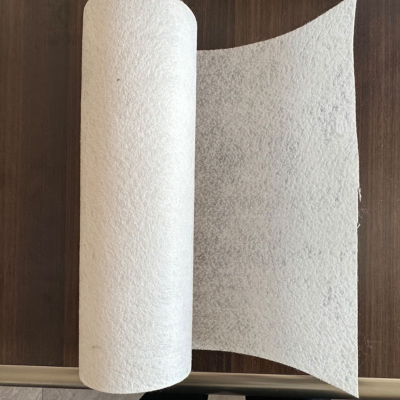
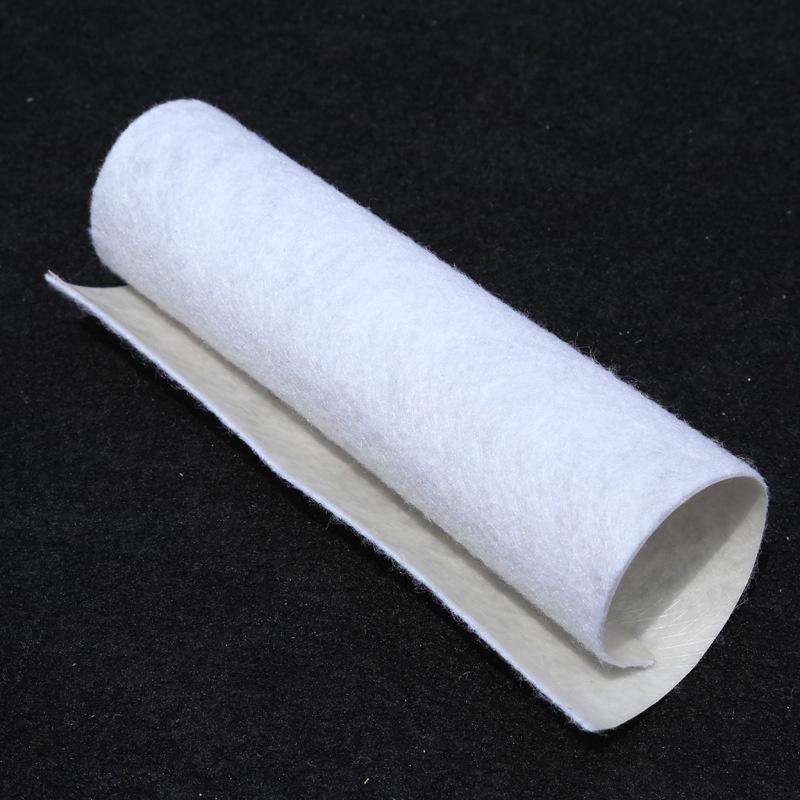
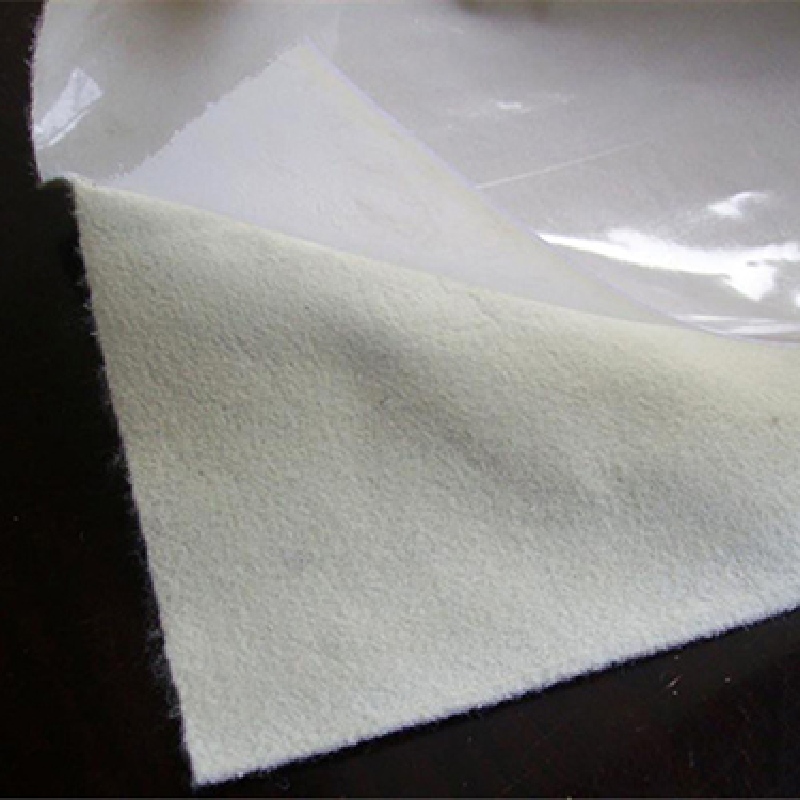
One cloth and one film is suitable for the environment with a little debris on the base surface. Geotextile is used instead of granular material as the protective layer of geotextile membrane to protect the impermeable layer of geotextile membrane from damage, reduce the grading requirements of the particle size of the subgrade, and play the role of drainage.
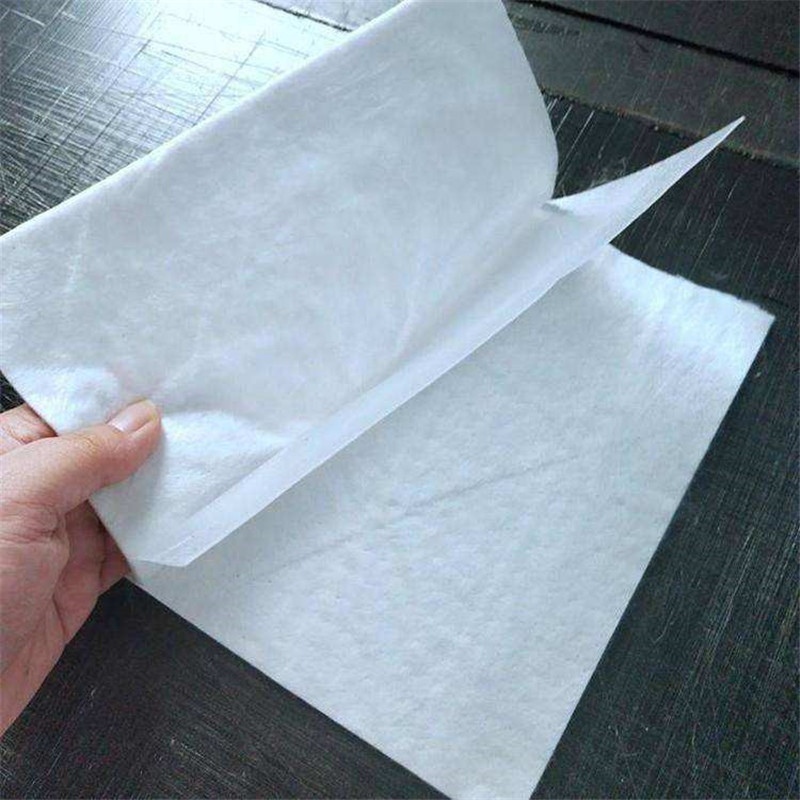
Composite Geomembrane one-cloth One-membrane is a composite material made by pressing and thermally bonding a layer of geotextile with a layer of polymer material. Composite Geomembrane one-cloth One-membrane It features some deformation capacity and strong strain resistance. When laid in an embedded manner, it exhibits excellent aging resistance, reducing the need for maintenance.
Performance Features:
A fabric and a membrane have a certain degree of deformation, which helps to quickly distribute the stress caused by the unevenness of the base layer, enhancing their strain capacity. Using geotextiles instead of granular materials as the protective layer of the geomembrane can protect the geomembrane's impermeable layer from damage, reduce the grading requirements for the base layer particles, and also serve as a drainage system. The high friction coefficient prevents the sliding of the cover layer, and compared to pure HDPE film, the non-woven fabric in composite geomembranes has a higher friction coefficient, allowing for a steeper slope and reduced land use. The composite geomembrane offers high mechanical strength against tearing, puncturing, and piercing. It also provides some insulation, reducing the damage to the geomembrane caused by soil frost heave, thus minimizing soil deformation. When laid using an embedded method, it exhibits excellent aging resistance, reducing the need for maintenance. The construction process is simple, reducing transportation, lowering project costs, and shortening the construction period.
product use:
One cloth and one film, due to its excellent planar drainage, superior waterproofing properties, and high mechanical strength against tensile, tearing, puncturing, and bursting, can be widely used in the following areas:
1.River embankments, lake dams, reservoir areas, water diversion channels, and liquid storage pools (pits, mines).
2.Subway systems, basements, and tunnel linings.
3. Roadbeds and other foundations for salt prevention.
4. Horizontal waterproof covers in front of dikes and dams, vertical waterproof layers in foundations, construction cofferdams, and good material yards.
5. Seawater and freshwater aquaculture facilities.
6. Roadbeds of highways, railways, and roads, as well as waterproof layers for expansive soils and collapsible loess.