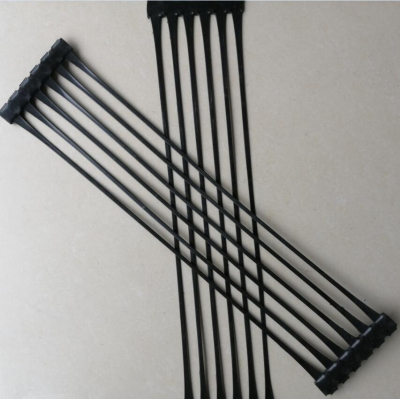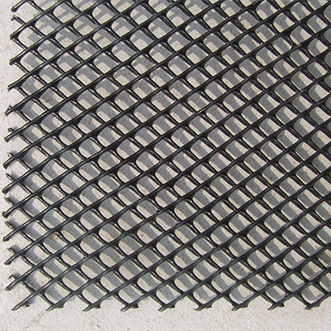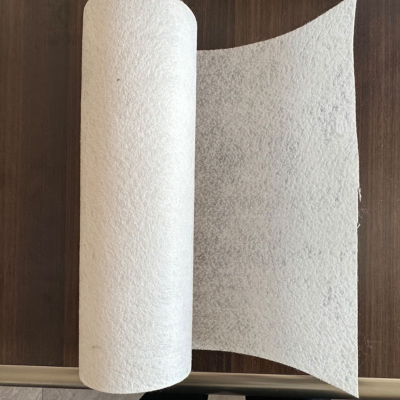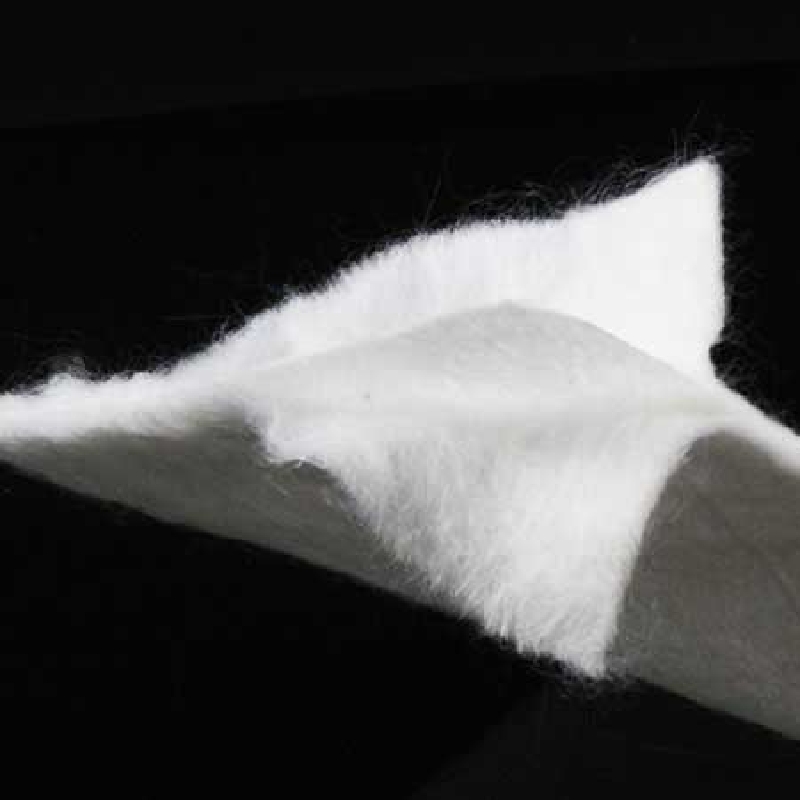
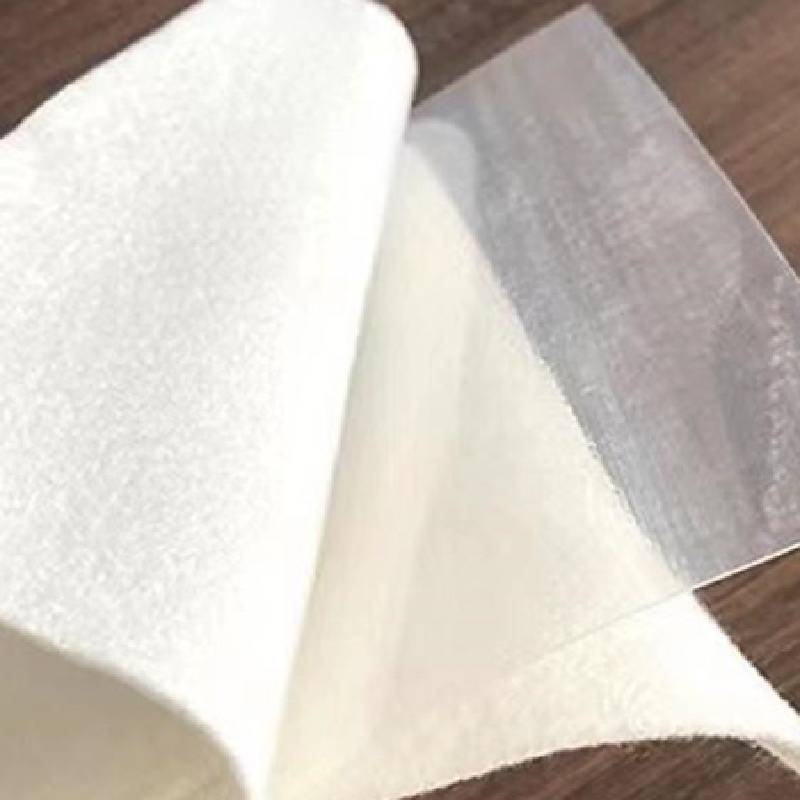
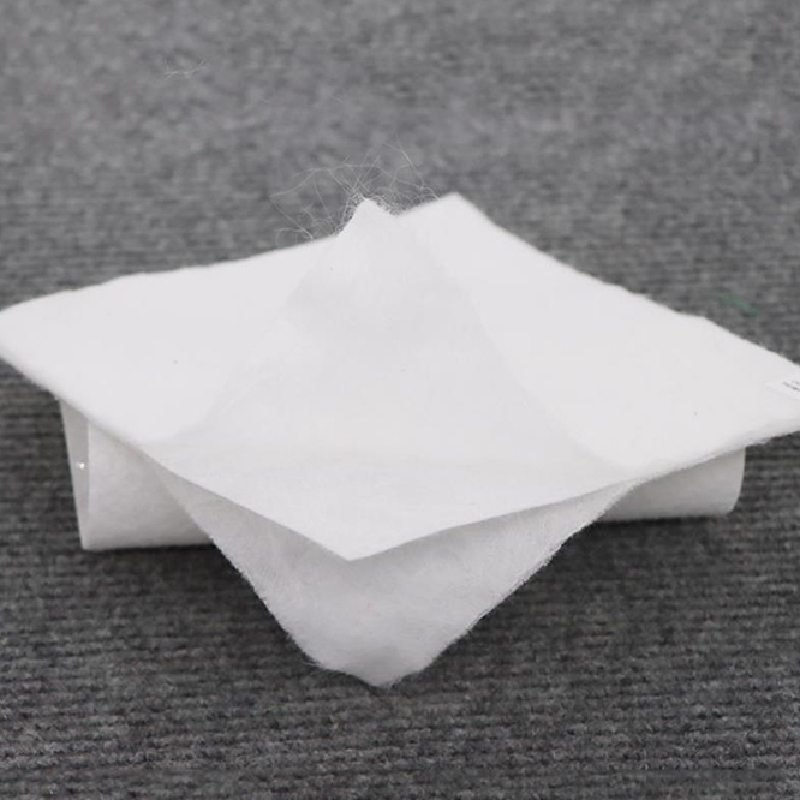
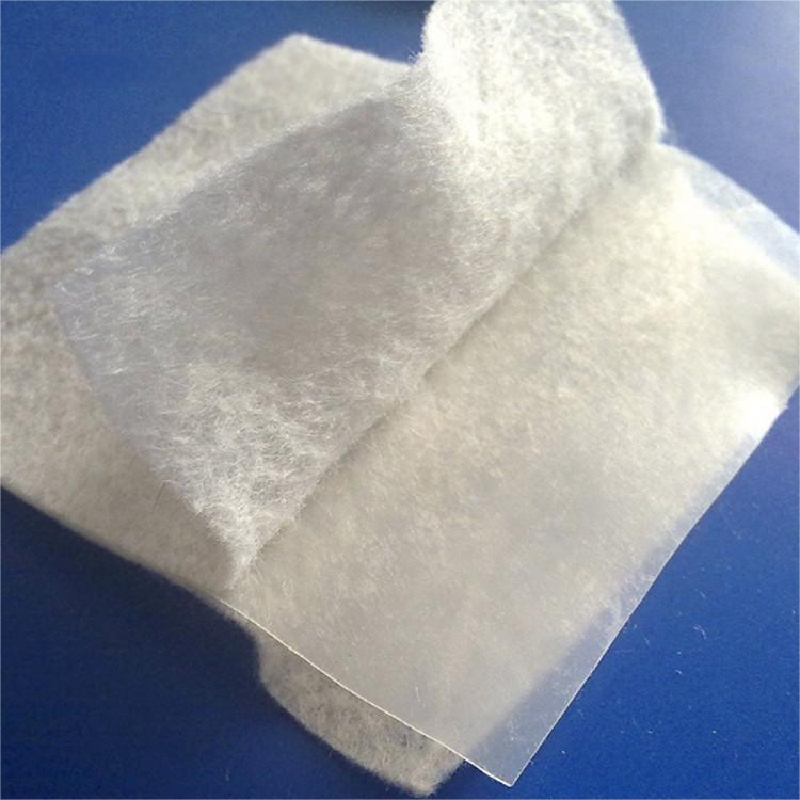
Composite Geomembrane Two-cloth One-membrane
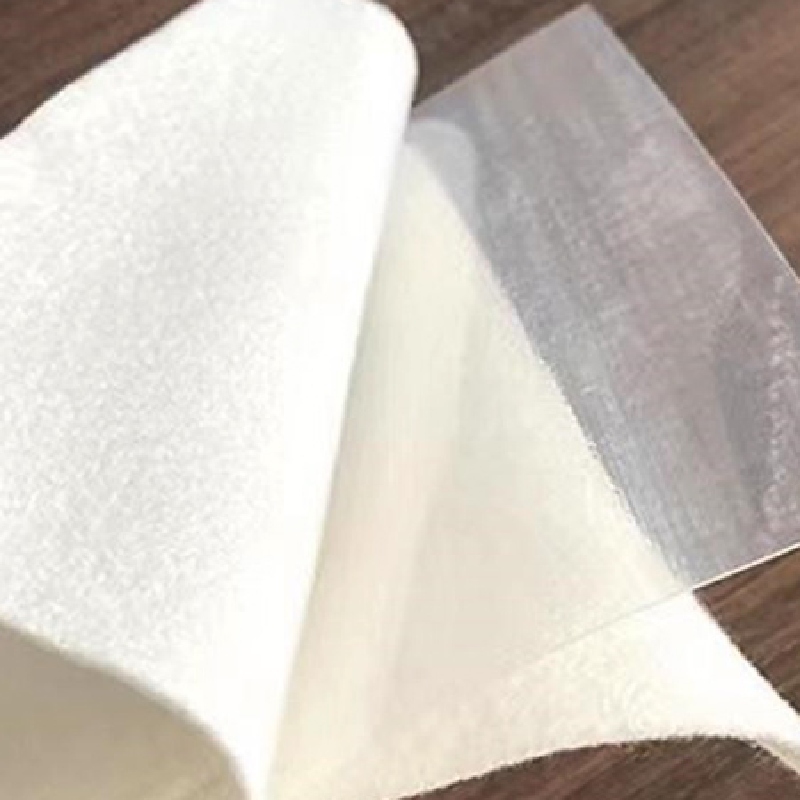
Two cloth and one film is based on the polymer plastic film as the substrate, and geotextile is compounded on both sides to achieve the purpose of protective film material. Compared with one cloth and one film, it can adapt to more complex environment, and has higher tensile strength and elongation.
Product Introduction:
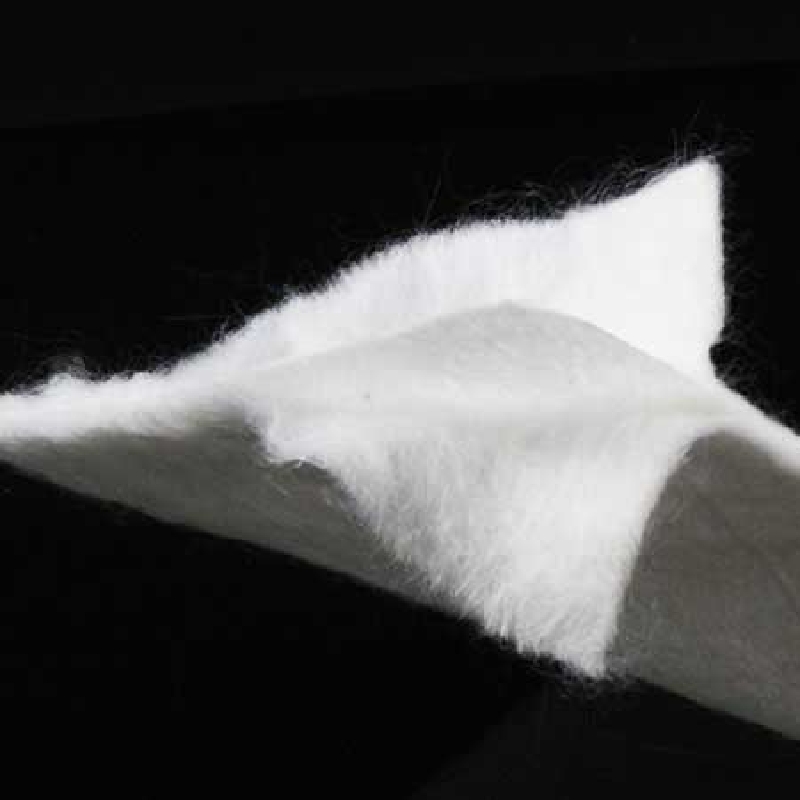
Composite Geomembrane Two-cloth One-membrane is a geosynthetic waterproofing material that combines plastic film as the impermeable base with non-woven fabric. The waterproofing performance of this material primarily depends on the impermeability of the plastic film. The main types of plastic films used for waterproofing are polyvinyl chloride (PVC) and polyethylene (PE). These materials are high molecular chemical flexible materials, lightweight, highly extensible, adaptable to deformation, corrosion-resistant, cold-resistant, and have excellent frost resistance. The film thickness is typically 0.30-2.00mm. The primary mechanism involves using the impermeability of the plastic film to block water leakage channels in earth dams, while its high tensile strength and elongation enable it to withstand water pressure and adapt to dam deformation. Non-woven fabric, another high molecular chemical fiber material, is formed through needle-punching or thermal bonding, offering high tensile strength and elongation. Commonly used non-woven fabrics include polyester staple fiber needle-punched geotextiles, polyester filament spunbonded geotextiles, and flat filament plastic woven fabrics. When combined with plastic film, these non-woven fabrics not only enhance the tensile strength and puncture resistance of the plastic film but also increase the contact area's friction coefficient due to the rough surface of the non-woven fabric, which helps stabilize the composite geotextile membrane and protective layer. Additionally, they exhibit good resistance to bacterial and chemical erosion, making them resistant to acids, alkalis, and salts.
Product Use
Environmental protection and sanitation projects (such as landfills for household waste, sewage treatment plants, facilities for handling toxic and harmful substances, warehouses for hazardous materials, and factories);
Civil engineering for water conservancy (seepage prevention, leakage sealing, reinforcement, seepage prevention of canals, vertical heart walls, and slope protection for dikes, lakes, reservoirs, and dams);
Municipal engineering (seepage prevention for subways, underground structures of buildings, roof water storage tanks, roof gardens, and lining of sewage pipelines);
Landscape greening (lining and slope protection for artificial lakes, ponds, and golf course water bodies);
Petrochemical (seepage and pollution prevention for oil storage tanks in chemical plants and refineries, lining of chemical reaction tanks and sedimentation tanks, and secondary lining); Mining (seepage and pollution prevention for washing pools, heap leaching pools, ash disposal sites, and tailings dams);
Transportation infrastructure (foundation reinforcement of highways and seepage prevention for culverts);
Agriculture (seepage prevention for reservoirs, drinking water pools, water storage ponds, and irrigation systems); Aquaculture (lining of fish ponds and shrimp ponds).