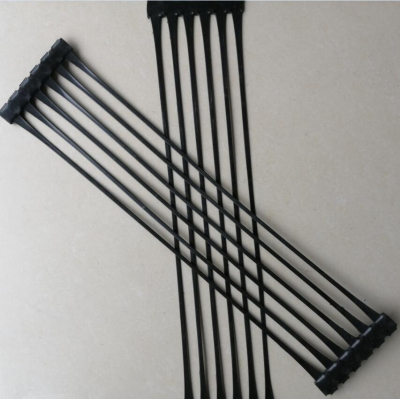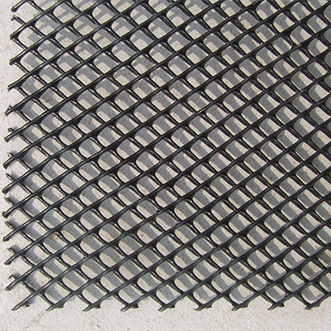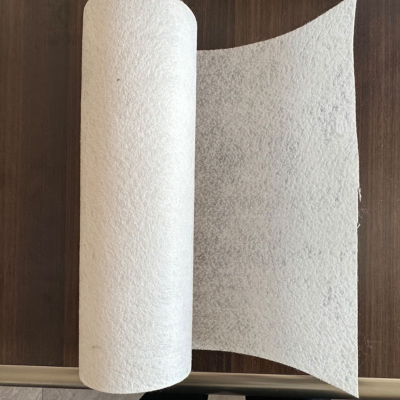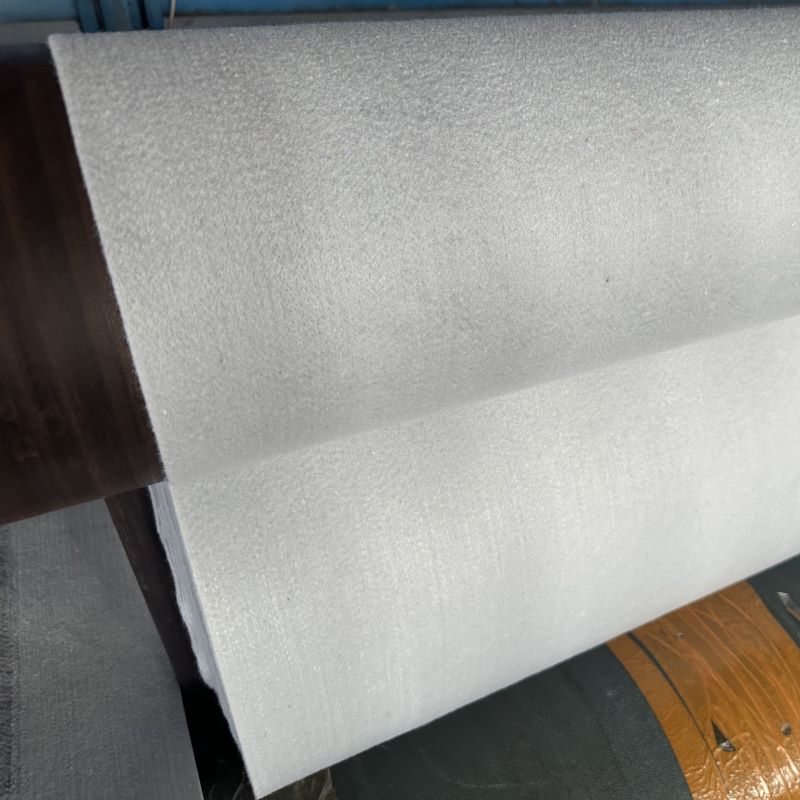
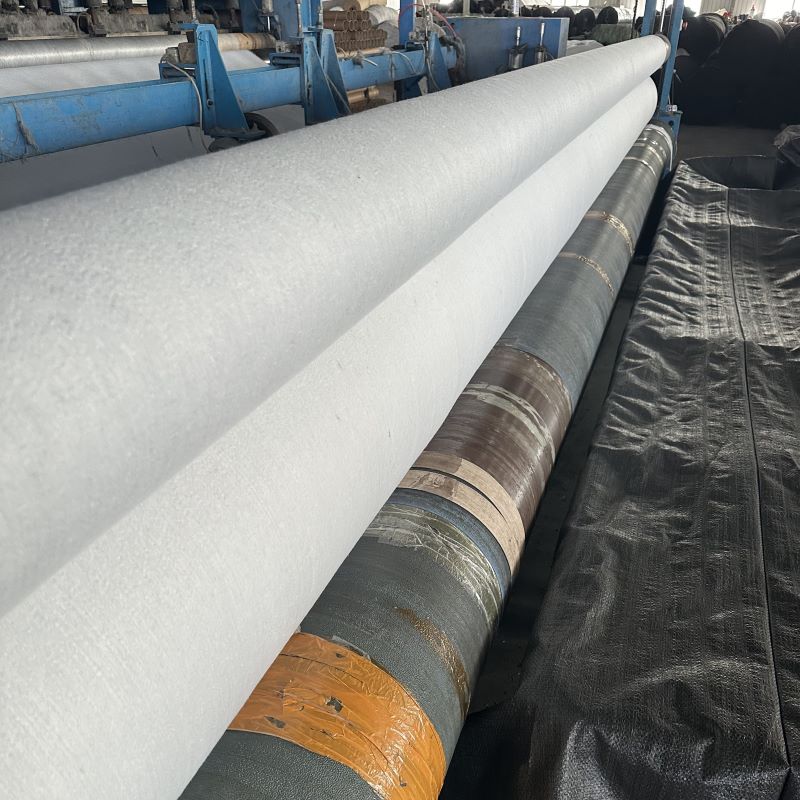
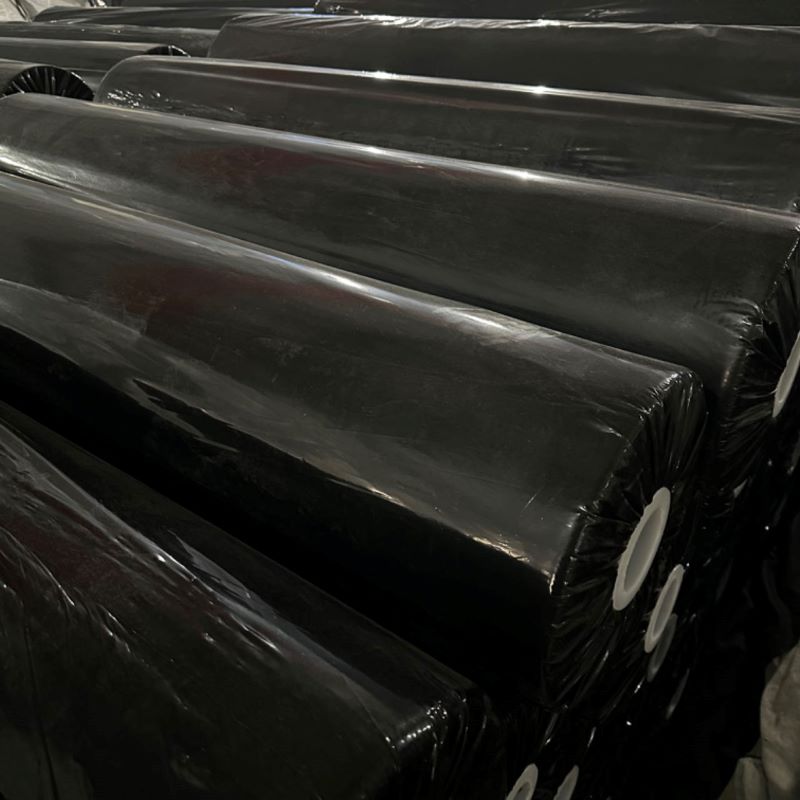
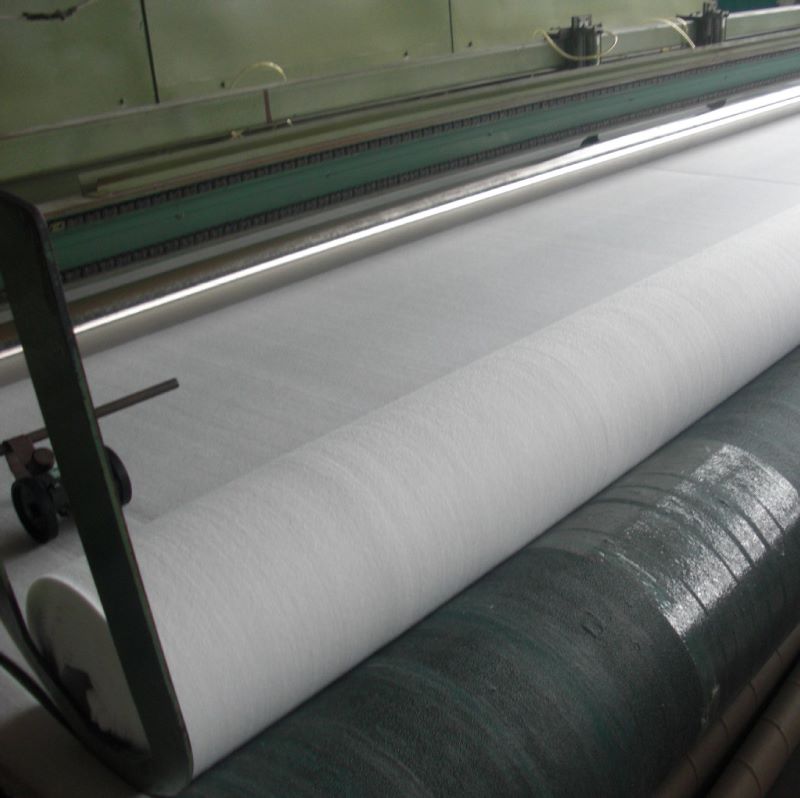
Geotextile Fabric
geotextile fabric is a versatile and essential material that offers a wide range of applications in civil engineering, construction, landscaping, and environmental projects. Its diverse functions contribute to improving the performance, durability, and sustainability of infrastructure developments.
Applications of Geotextile Fabric
Geotextile fabric, a versatile geosynthetic material, finds numerous applications in the field of civil engineering and construction. Here are some common applications of geotextile fabric:
Separation: Geotextile fabric is used to separate different soil layers, aggregate materials, or other materials with contrasting properties. This helps in preventing the mixing of materials and maintaining the integrity of the structures.

Filtration: Geotextile fabric acts as a filter, allowing water to pass through while retaining soil particles and preventing clogging. It is widely used in drainage systems and erosion control applications.
Drainage: Geotextile fabric facilitates efficient drainage by allowing water to flow through the material while preventing soil erosion. It helps in maintaining the stability and performance of drainage systems.
Reinforcement: Geotextile fabric provides reinforcement to soils in various construction projects such as roadways, embankments, and retaining walls. It enhances the structural integrity and stability of these structures.
Erosion Control: Geotextile fabric is utilized in erosion control projects to stabilize slopes, prevent soil erosion, and protect the environment from the damaging effects of water runoff.
Protection: Geotextile fabric offers protection to geomembranes, liners, and other vulnerable components in civil engineering projects. It acts as a protective barrier and extends the lifespan of these materials.
Landscaping: In landscaping applications, geotextile fabric helps in soil stabilization, weed control, and moisture retention. It supports vegetation growth and enhances the aesthetic appeal of outdoor spaces.
Road Construction: Geotextile fabric is commonly used in road construction for reinforcement, separation, and filtration purposes. It improves the performance and longevity of roadways by providing additional support to the subgrade.
Foundation Support: Geotextile fabric can be employed in foundation support systems to distribute loads, reduce settlement, and improve the overall stability of foundations in various construction projects.
Landfill Engineering: Geotextile fabric plays a crucial role in landfill engineering by providing drainage, filtration, and separation functions. It helps in managing leachate, controlling gas emissions, and promoting environmental protection in landfills.
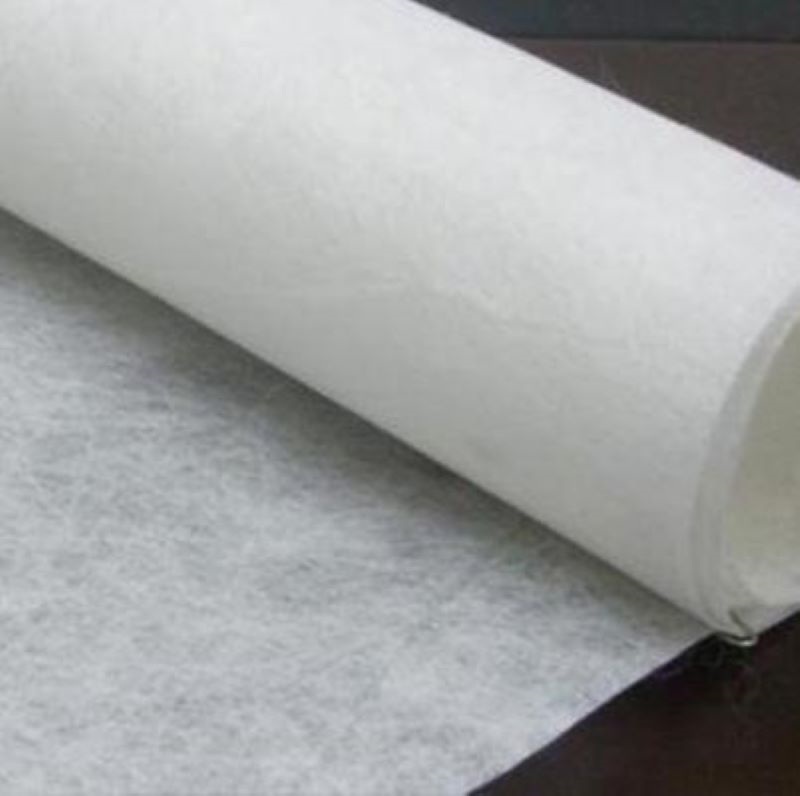
Product Parameter
Project | Performance indicators | |||||||
Nominal Strength,kN/m | 5 | 8 | 11 | 20 | 24 | 28 | 34 | 50 |
Longitudinal and Transverse Tensile Breaking Strength,kN/m | ≥5.0 | ≥8.0 | ≥11.0 | ≥20.0 | ≥24.0 | ≥28.0 | ≥34.0 | ≥50.0 |
Longitudinal and Transverse Elongation At Break | 50%~90% | |||||||
Longitudinal and Transverse Tearing Strength, kN | ≥0.15 | ≥0.24 | ≥0.35 | ≥0.42 | ≥0.50 | ≥0.58 | ≥0.65 | ≥0.90 |
CBR Top Break Power, kN | ≥1.0 | ≥1.7 | ≥2.5 | ≥3.5 | ≥4.3 | ≥5.3 | ≥6.2 | ≥7.0 |
Vertical and Horizontal Grip Strength, kN | ≥0.3 | ≥0.6 | ≥0.9 | ≥1.3 | ≥1.7 | ≥2.0 | ≥2.4 | ≥3.0 |
Thicknesses, mm | ≥1.2 | ≥1.6 | ≥1.8 | ≥2.4 | ≥2.8 | ≥3.0 | ≥3.2 | ≥3.4 |
Equivalent Pore Size, ο95 mm | 0.07~0.20 | |||||||
Vertical Permeability Coefficient,cm/s | ≤2.0×10⁻¹ | |||||||
UV Strength Retention Rate | ≥80% | |||||||
Mass Per Unit Area,g/m2 | ≥100 | ≥150 | ≥200 | ≥300 | ≥400 | ≥500 | ≥600 | ≥800 |
Quality Deviation Per Unit Area | ±5% | ±4% | ±3% | |||||
Width Deviation | ±0.5% | |||||||
Tensile Strength of Geobags At Seams,kN/m | — | ≥6.5 | ≥9.0 | ≥16.0 | — | — | — | — |