Waterproof Geotextile
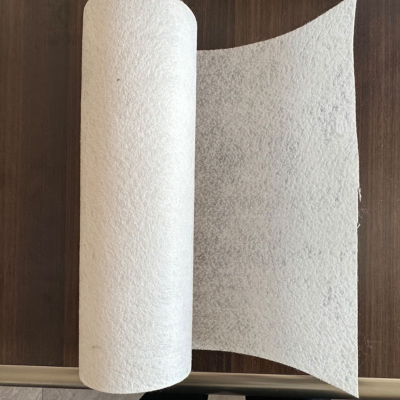
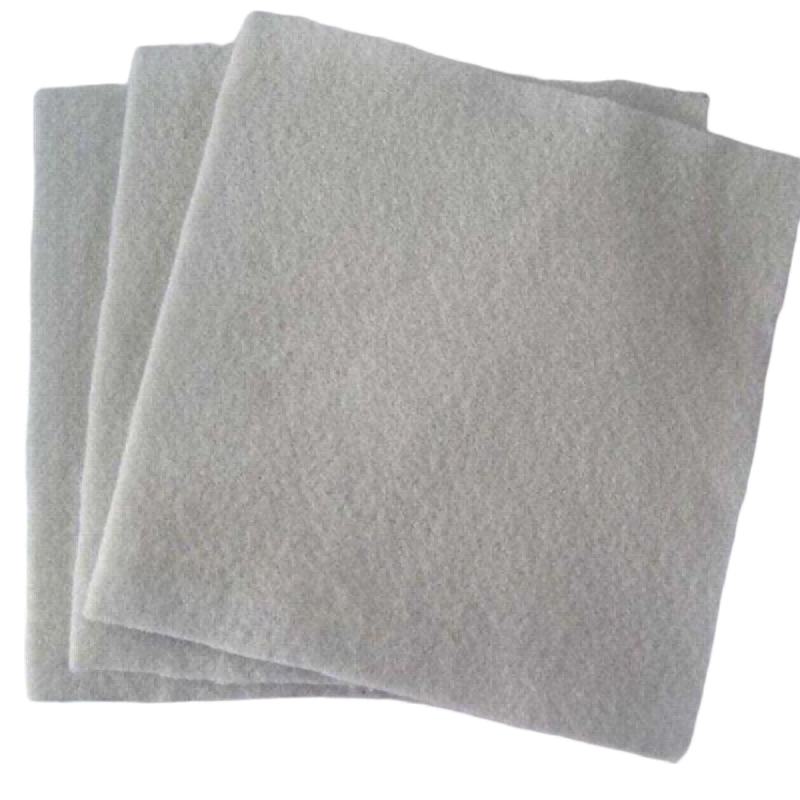
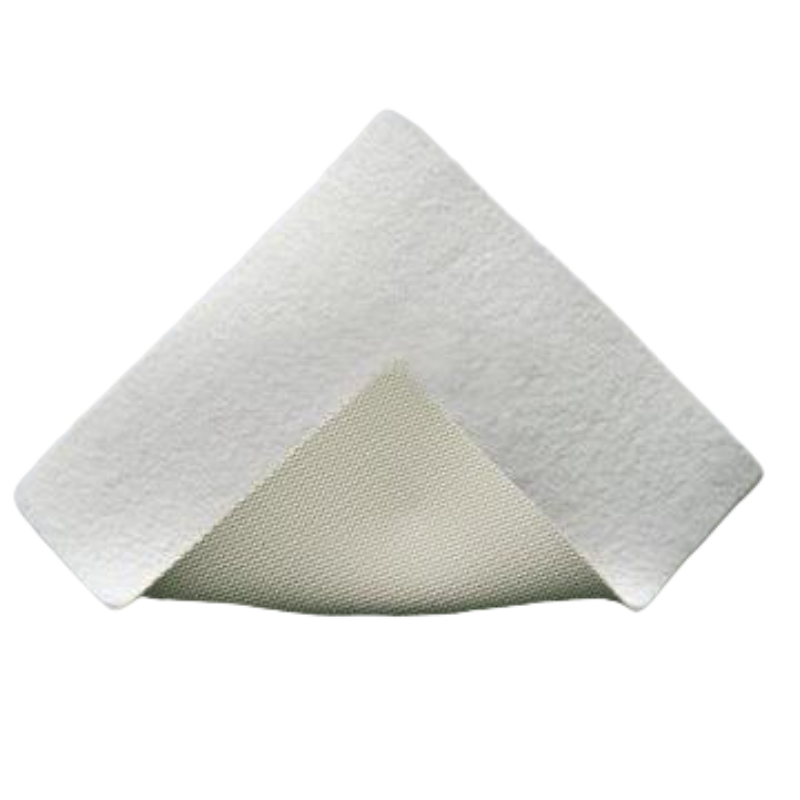
Waterproof Geotextile refers to the geomembrane waterproofing material made of plastic film as the anti-seepage substrate and non-woven fabric. It can effectively intercept sand loss, discharge excess liquid and gas in the soil structure, and enhance the stability of the building structure to improve the quality of the soil.
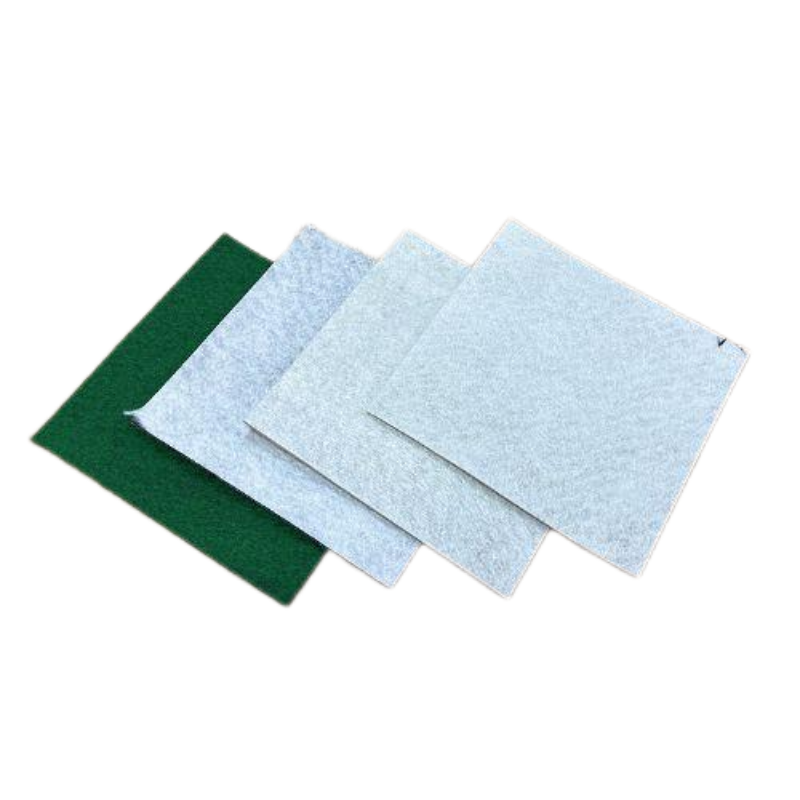
product presentation
Waterproof Geotextile is a kind of geotextile waterproofing material composed of plastic film as the anti-seepage substrate and non-woven fabric. Its anti-seepage performance mainly depends on the anti-seepage performance of plastic film.
Currently, the primary plastic films used for anti-seepage applications both domestically and internationally are polyvinyl chloride (PVC) and polyethylene (PE). These materials are highly flexible, lightweight, and have excellent elongation, deformation tolerance, corrosion resistance, low-temperature tolerance, and frost resistance. The key mechanism is that the impermeability of these plastic films effectively blocks water leakage pathways in earth dams, while their high tensile strength and elongation enable them to withstand water pressure and adapt to dam deformation. Non-woven fabric, another high molecular short fiber material, is formed through needle punching or thermal bonding. It has high tensile strength and elongation. When combined with plastic films, it not only enhances the tensile strength and puncture resistance of the plastic films but also increases the friction coefficient of the contact surface due to its rough surface, which helps stabilize the composite geotextile membrane and protective layer. Additionally, these materials exhibit good resistance to bacterial and chemical erosion, making them resistant to acids, alkalis, and salts.
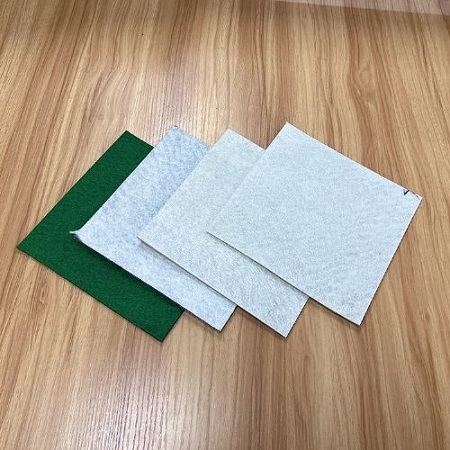
product use
Water conservancy projects: sea dyke, river dyke and lake dyke standardization project; reservoir reinforcement project; reclamation project; flood control and emergency rescue.
Air and railway port engineering: soft foundation reinforcement treatment; slope protection; pavement anti-reflection crack structure layer; drainage system; green isolation belt.
Electrical engineering: nuclear power plant foundation engineering; thermal power ash dam engineering; hydropower station engineering.