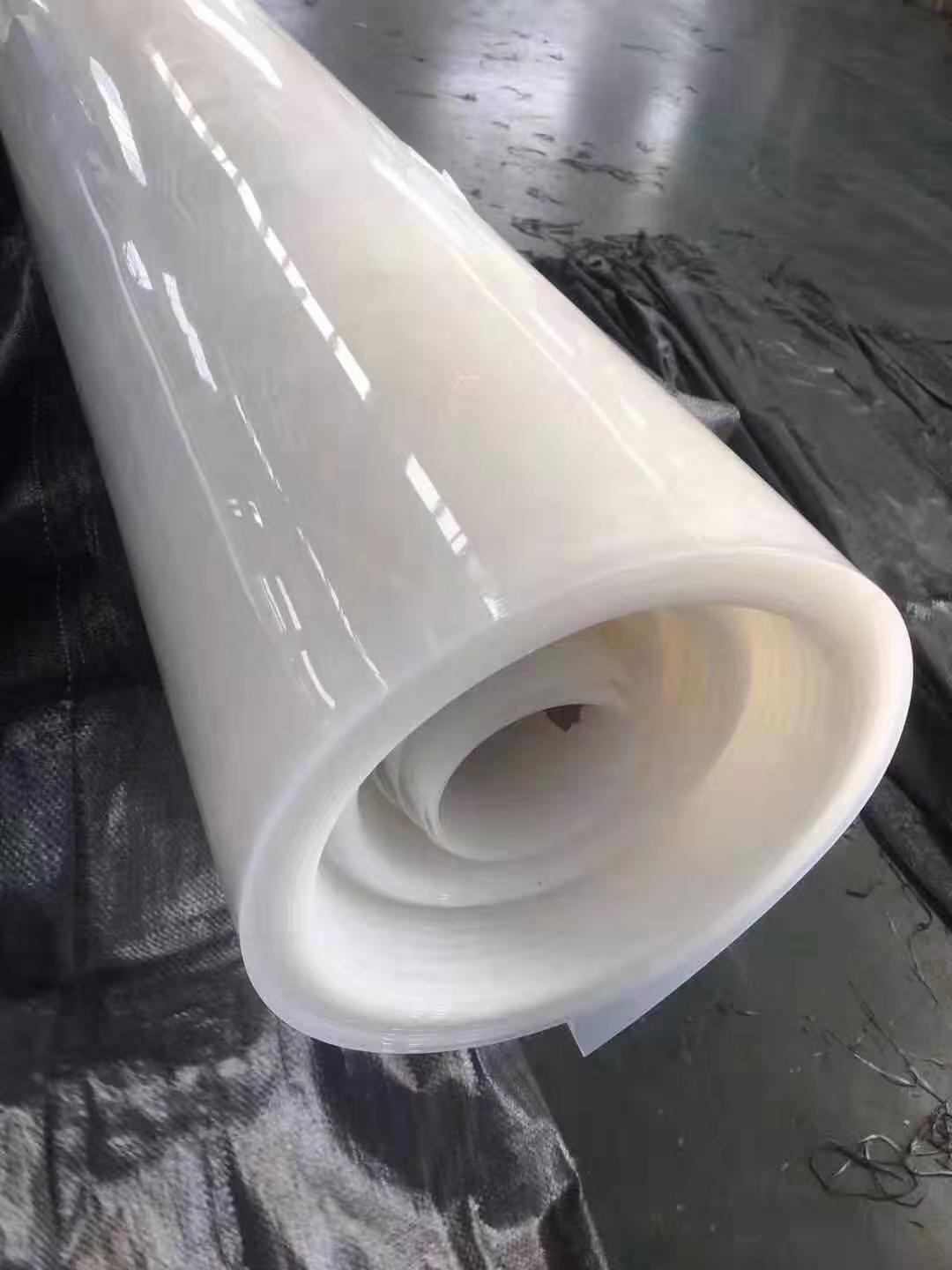
Geomembranes
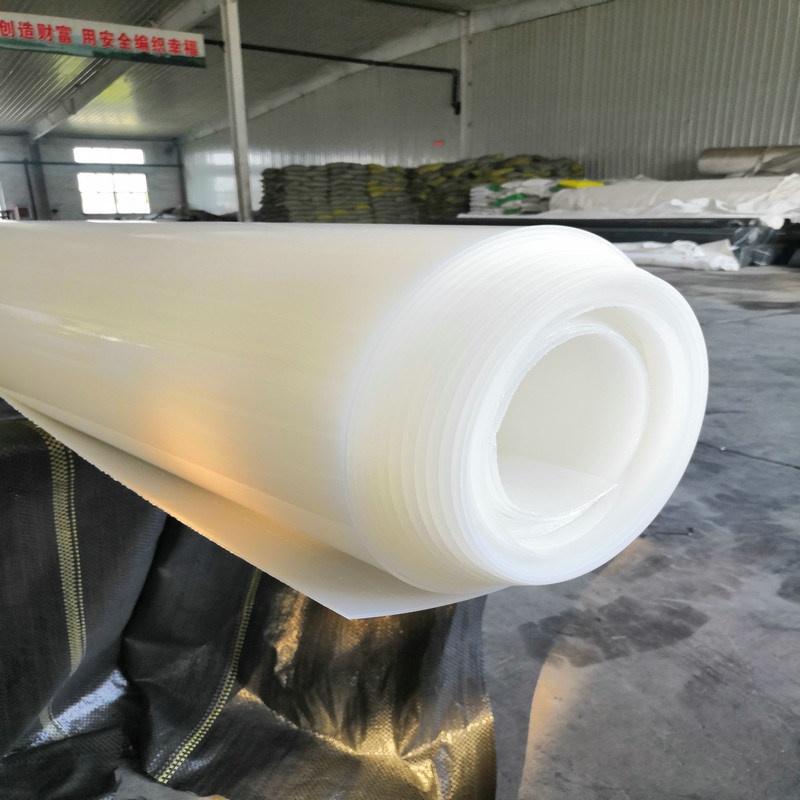
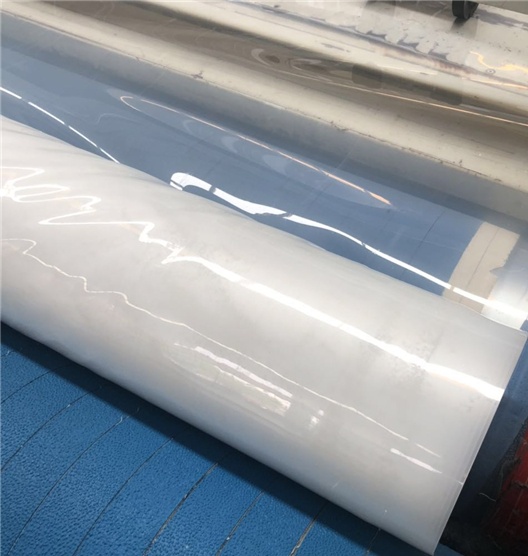
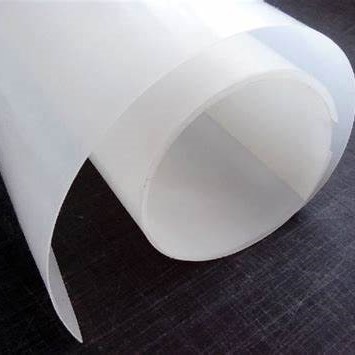
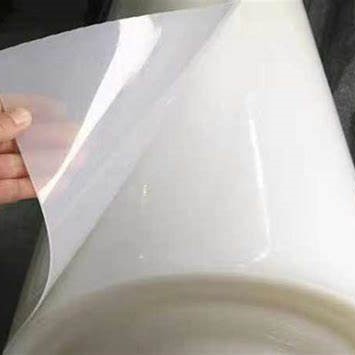
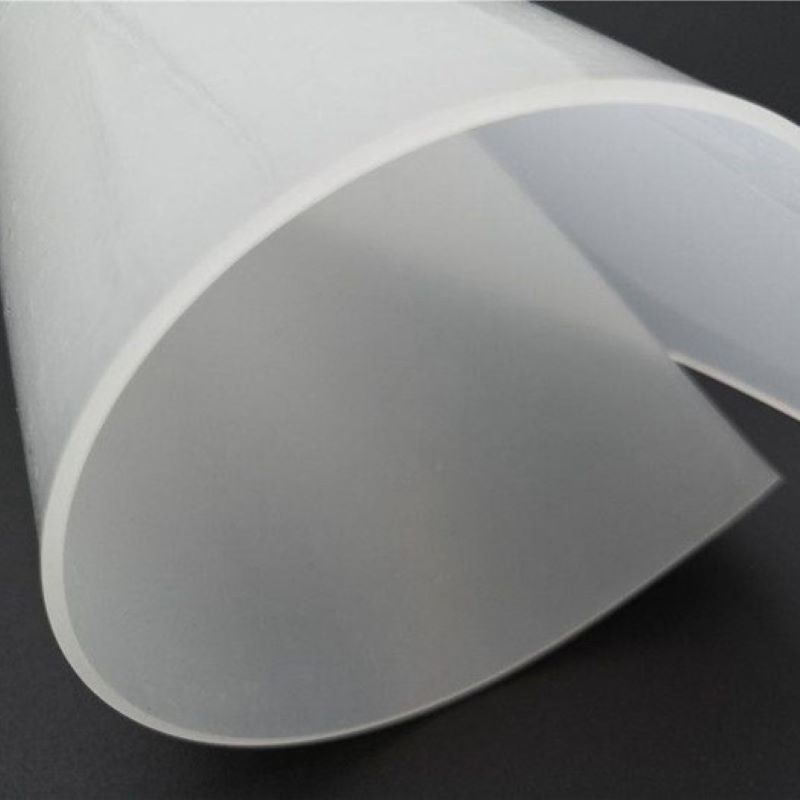
Geomembranes offer ultra-low permeability (10^-13 to 10^-15 cm/s) and high tensile strength (20-40 MPa), ensuring exceptional resistance to water, chemicals, and mechanical stress. With elongation at break of 300%-700%, they adapt to ground movement and harsh conditions. Ideal for landfills, reservoirs, and containment systems, they provide long-term, reliable protection in demanding engineering projects.
Geomembranes: Impermeability Test Data and Tensile Performance Overview
Geomembranes are engineered to provide exceptional impermeability and mechanical strength, making them a cornerstone in modern engineering projects. Their performance is rigorously tested to ensure reliability in demanding applications.
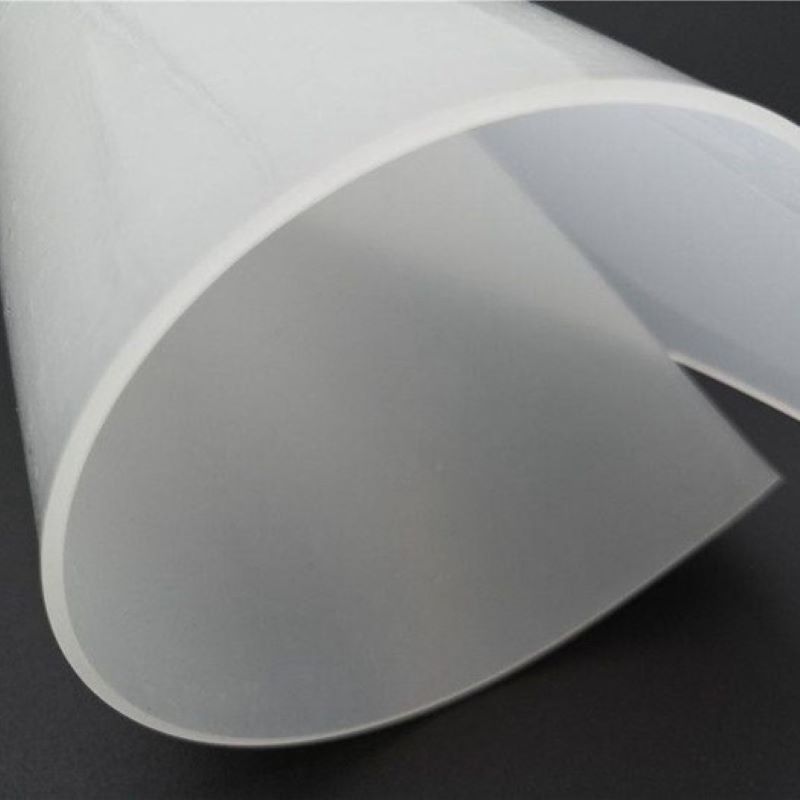
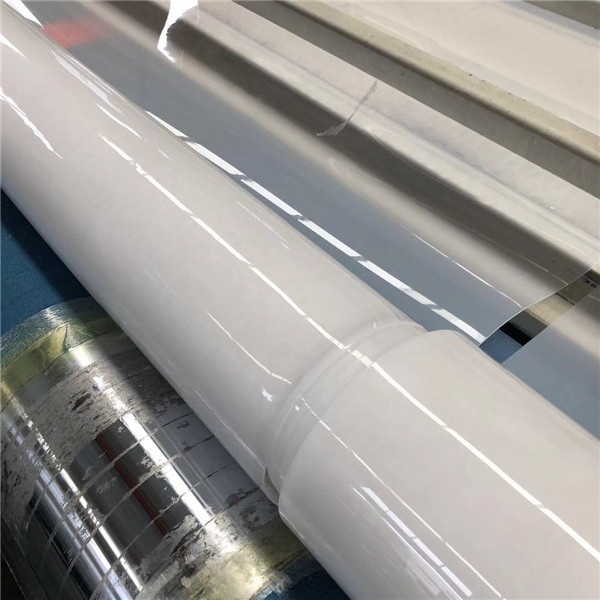
Impermeability Test Data:
Geomembranes are designed to achieve ultra-low permeability rates, typically measured in 10^-13 to 10^-15 cm/s, ensuring near-total resistance to water and chemical penetration. These results are validated through standardized tests such as the ASTM E96 Water Vapor Transmission Test and the ISO 11058 Permeability Test. Such low permeability makes geomembranes ideal for applications like landfill liners, water reservoirs, and containment systems, where preventing leakage is critical.
Tensile Performance:
The tensile strength of geomembranes is a key indicator of their durability and resistance to mechanical stress. Tested under ASTM D638 and ISO 527 standards, geomembranes exhibit high tensile strength, often ranging from 20 to 40 MPa, depending on the material (EVA, HDPE, or LLDPE). Additionally, they demonstrate excellent elongation properties, with elongation at break typically between 300% to 700%. This combination of strength and flexibility ensures that geomembranes can withstand stretching, punctures, and ground movement without compromising their integrity.